The little things that can make a big difference when selling your home
After years of helping buyers and sellers navigate the real estate market, I’ve noticed that some of the biggest differences in a successful sale often come down to the things that happen before the home even hits the market.
Selling your home isn’t just about putting up a sign and taking a few photos. It’s about preparing the property, presenting it properly, and making it as easy as possible for a buyer to see the value in it.
Here are some of the things I’ve encountered that makes a big difference when selling your home:
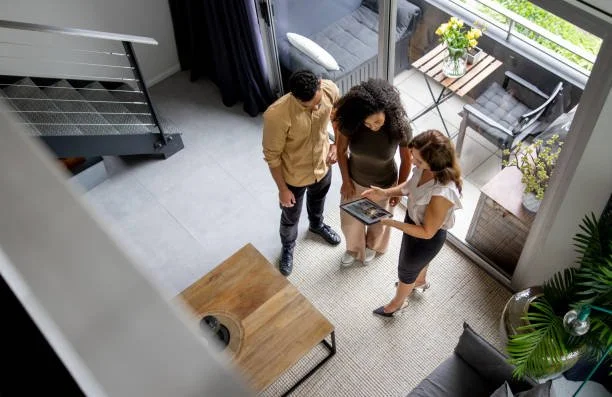
1. Do the prep work — but talk to your real estate professional first
Before you start spending money on repairs, renovations or upgrades, have a conversation with me about these plans.
Not every improvement will give you the return you expect. Sometimes a small, inexpensive fix can make a bigger difference than an expensive renovation — and sometimes a project simply isn’t worth doing before a sale.
I like to look at the pros and cons with my sellers first: What needs to be done? What will buyers notice? What will actually add value? And what can we leave alone?
I also have a network of trusted professionals and tradespeople who can help get a home market-ready, so my clients don't have to navigate everything on their own.
The goal isn't to spend the most money. It's to spend money strategically.
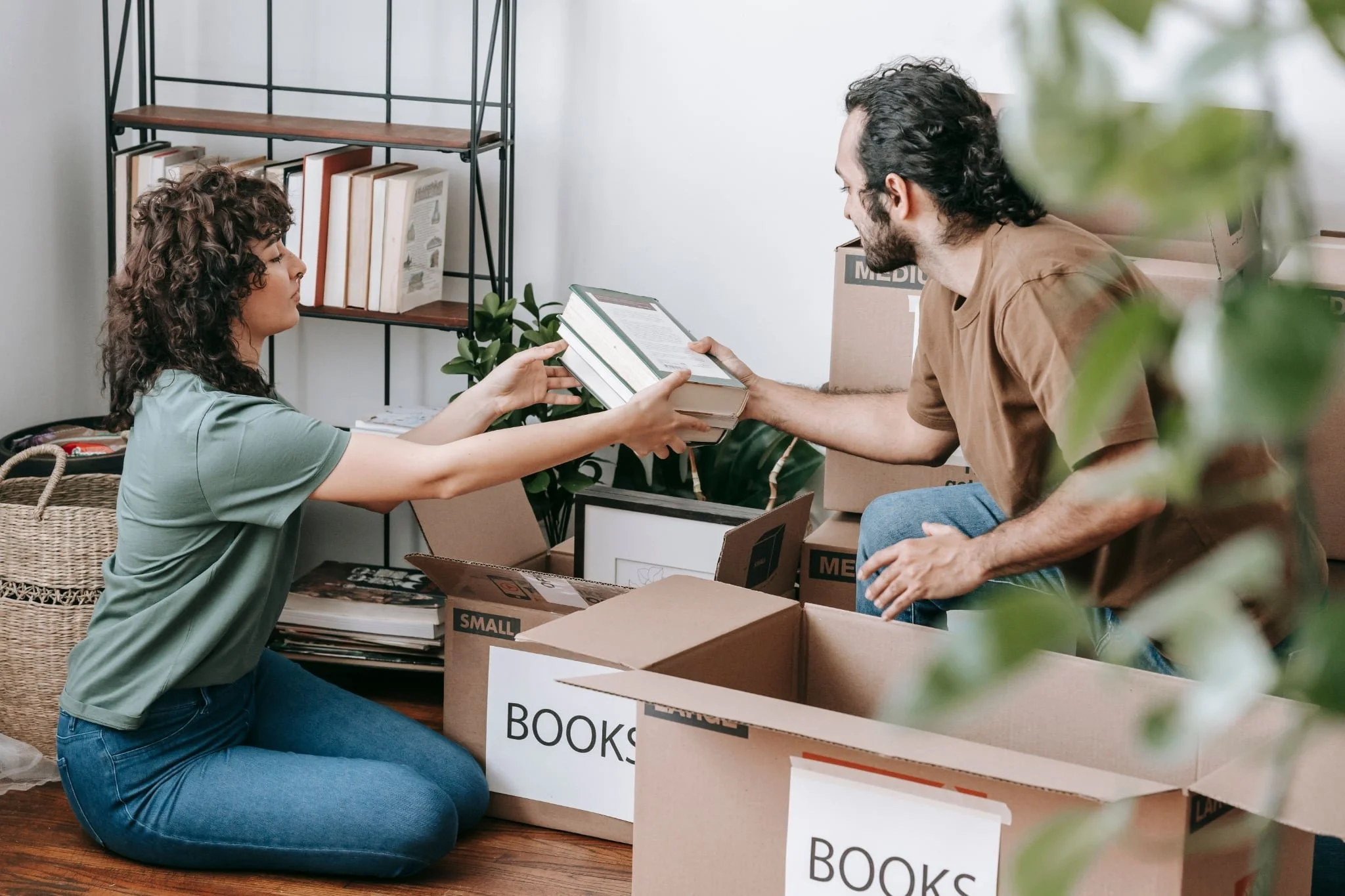
2. Declutter, organize and make your home feel fresh
One of the best things you can do before selling is to start packing early.
If you’re moving anyway, why bring unnecessary items with you to your next home?
Decluttering helps make your current home feel larger, cleaner and more functional — and it allows buyers to focus on the property rather than your belongings.
Think beyond the obvious areas:
Organize cupboards and closets.
Clear off countertops.
Remove excess furniture and décor.
Pack away personal items you don't need every day.
Freshen up linens and towels.
Make sure storage spaces are tidy and easy to view.
You don't need your home to look like a showroom. You just want buyers to be able to see themselves living there.
3. Organize your home's history and maintenance
If you've taken great care of your home, make sure buyers know about it.
Gather records of major maintenance, renovations and improvements that have been completed over the years.
Think about things such as:
Roof replacement
HVAC systems
Windows and doors
Plumbing or electrical work
Appliances
Renovations
Landscaping
Waterproofing
Any other significant improvements
I like to organize this information so that it is easy for buyers to understand — sometimes even putting everything together in a binder or digital package.
A well-maintained home should look well-maintained and feel well-documented.
Those big-ticket improvements can be an important part of your home's story, especially when buyers are comparing your property to others on the market.
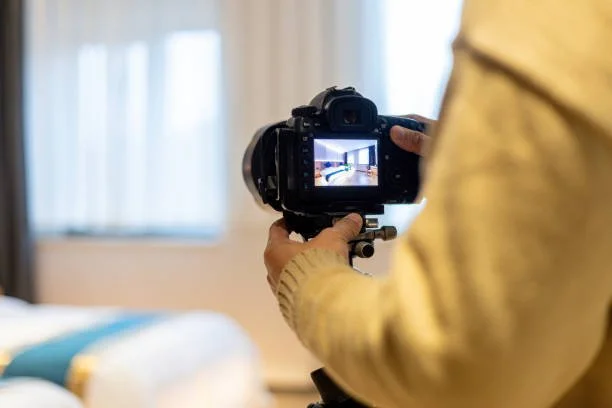
4. Invest in professional photography
This is a big one.
Your listing photos are often the first showing.
Before a buyer ever walks through your front door, they are forming an opinion based on what they see online. Professional photography can make a significant difference in how your home is presented and, ultimately, how much interest it generates.
I work with professional photographers who have a great eye for composition, lighting and perspective. The goal isn't simply to take nice pictures — it's to highlight the features that make your particular home appealing.
Good photography can help your home stand out, encourage more buyers to book showings and create a strong first impression.
5. Mentally prepare yourself for showings
This is one that can be difficult — because once your home is on the market, it can feel like your personal space is suddenly on display.
But flexibility matters.
Try to make your home as available as reasonably possible for showings, particularly during the first few days on the market. You never know which showing could be the buyer.
It can also help to have a plan for valuables, personal documents and anything you don't want left out. Put away important or irreplaceable items and keep the home as clean and presentable as possible.
I know showings can be inconvenient. But sometimes the buyer who needs to see your home at an inconvenient time is the buyer you don't want to miss.
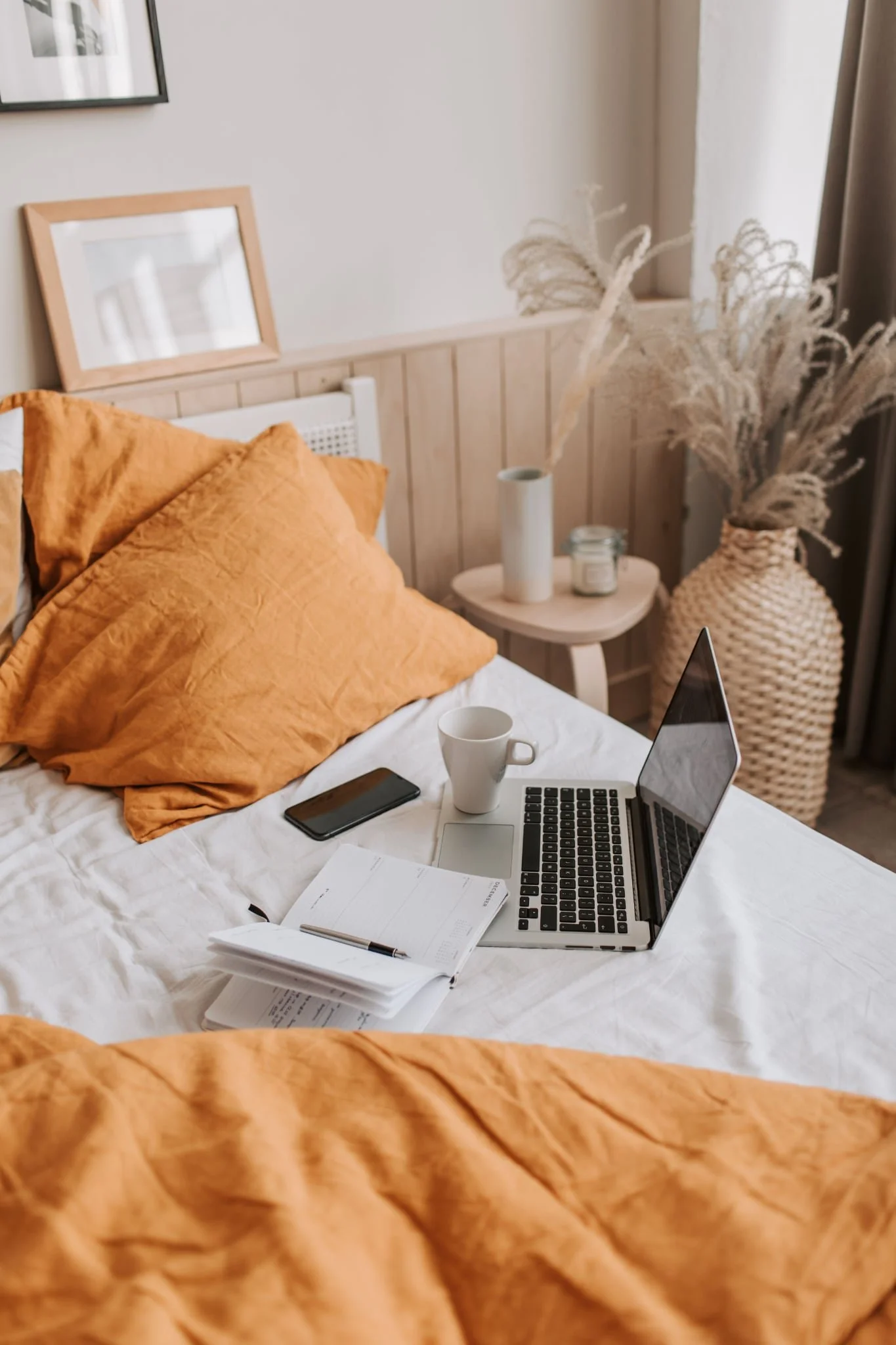
6. Package the home properly
Once you've done all of the work above, the next step is making sure buyers actually understand what they're looking at.
This is where thoughtful marketing comes in.
A strong marketing package should highlight the things buyers actually want to know: the home's features, improvements, maintenance, upgrades, floor plan, location and other relevant details.
When all of that information is presented clearly and professionally, it tells a story.
You've cared for the home. You've prepared it. You've invested in it. And now you're presenting it properly.
That's what can make a home stand out.
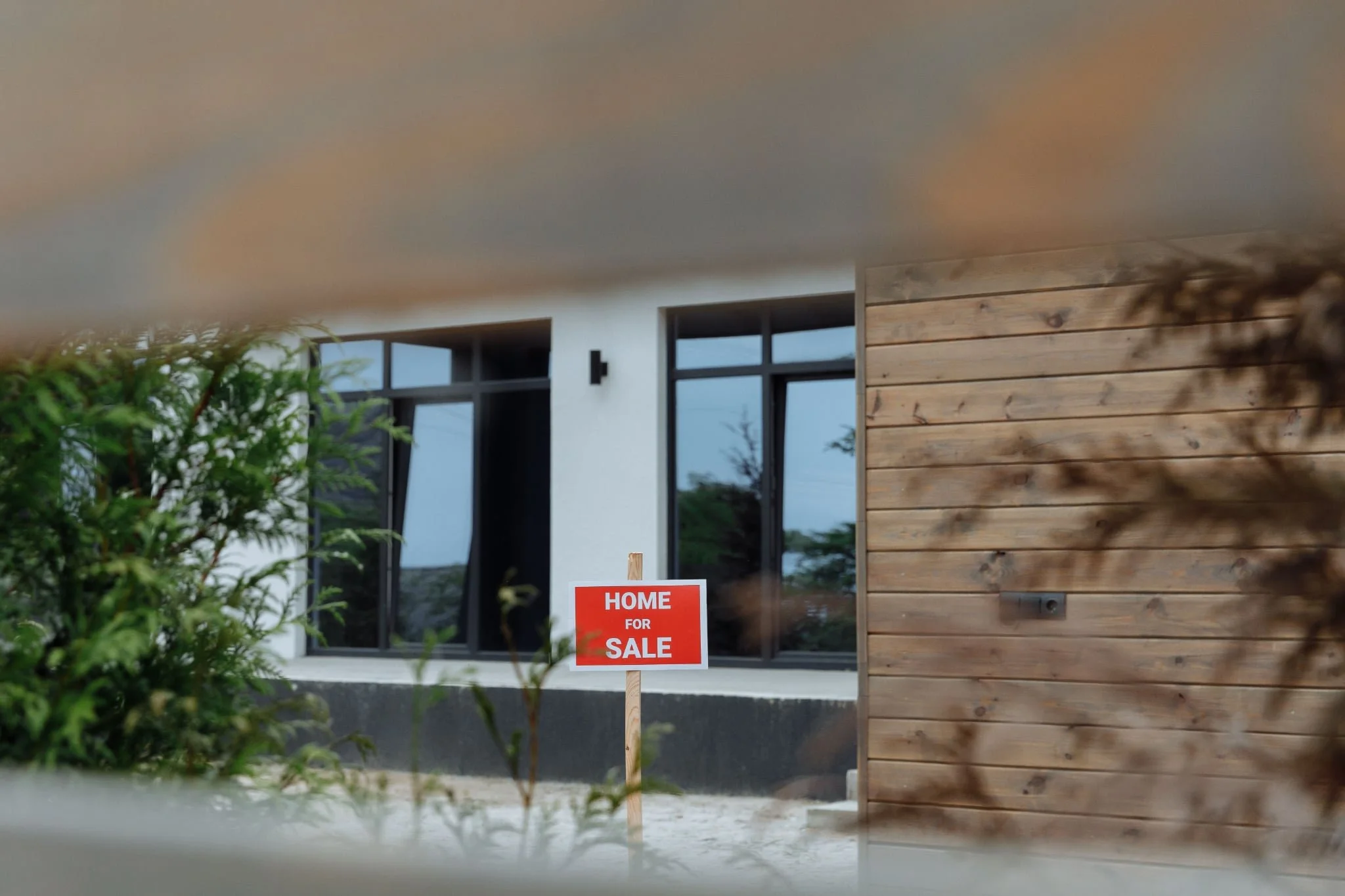
At the end of the day...
Selling your home is about much more than putting it on the market and hoping for the best.
The little details — the preparation, the organization, the photography, the accessibility for showings and the way everything is presented — can add up to a much stronger first impression.
And that's what makes me the go-to real estate professional to have list your home. A little planning upfront can save you money, reduce stress and help position your home in the best possible way when it's time to sell.
